Stainless Steel Pneumatic Actuator Use in Marine Valve Automation
Why marine valve automation puts material choice under pressure
Marine valve automation is rarely forgiving. Salt spray, humidity, vibration, and limited maintenance windows quickly expose weak actuator choices.
That is why the stainless steel pneumatic actuator matters beyond basic valve movement. It influences uptime, sealing stability, inspection frequency, and operational risk.
In offshore and onboard systems, the same valve size can face very different conditions. A ballast line, a fuel handling skid, and a seawater cooling loop do not age the same way.
A stainless steel pneumatic actuator is often selected for corrosion resistance first. In practice, the better question is whether it stays dependable through the full duty cycle.
Simmel works across valves, actuators, and control accessories, so the decision is usually treated as a system fit issue, not a single component purchase.
Actual marine use starts with differences between operating zones
Different marine zones create different failure patterns. The actuator near open deck exposure faces one set of threats, while enclosed machinery spaces create another.
Open deck installations usually deal with aggressive chloride exposure, direct washdown, and temperature swings. Here, a stainless steel pneumatic actuator earns its place through enclosure durability and external corrosion resistance.
Below deck, corrosion may be less visible, but heat, condensate, and oil-contaminated air can shorten service life. In these areas, internal sealing and air quality become equally important.
The common mistake is assuming one marine-rated actuator suits every valve location. Similar drawings often hide very different environmental loads.
Where seawater systems raise the bar
Seawater intake, cooling, and ballast systems usually cycle often and stay exposed to wet conditions. Corrosion is not the only issue.
These lines may carry deposits, create variable torque, and demand reliable shutoff during maintenance or emergency response. A stainless steel pneumatic actuator should be checked against breakaway torque, not only nominal valve torque.
In real projects, torque margin becomes more valuable than a low initial footprint. Once fouling increases resistance, undersized automation becomes a recurring service problem.
Fuel, chemical, and utility lines need cleaner control logic
Fuel transfer and chemical handling systems often prioritize predictable actuation and safe fail positions. Corrosion resistance still matters, but control behavior becomes the sharper decision point.
A stainless steel pneumatic actuator in these services should be reviewed with solenoid compatibility, position feedback, and emergency shutdown logic in mind.
When a valve is part of interlocked automation, response consistency matters more than a broad generic specification sheet.
High-frequency applications usually need a different selection mindset
Some marine valves move only during isolation or inspection. Others cycle daily, sometimes every hour. The same stainless steel pneumatic actuator will not perform equally well in both cases.
Low-cycle applications often emphasize corrosion resistance and fail-safe readiness. High-cycle applications put more attention on seal wear, air consumption, stroke repeatability, and maintenance intervals.
This is where selection tends to shift from material-first thinking to lifecycle thinking. A durable housing alone does not prevent downtime if the actuator is not sized for repeated operation.
The table shows why one stainless steel pneumatic actuator specification cannot answer every marine automation task.
Different valve packages change the actuator decision
The actuator is rarely working alone. Valve type, mounting geometry, and control accessories shape the practical result.
A quarter-turn ball valve in clean utility service behaves differently from a butterfly valve in a large seawater line. Even if both use a stainless steel pneumatic actuator, the control demands are not identical.
For larger butterfly valves, dynamic torque and seat friction often need closer review. For compact ball valves, limited installation space may drive accessory layout and maintenance access.
This is one reason integrated engineering support has value. Simmel’s background in valves and control accessories helps reduce mismatches between actuator output, mounting arrangement, and field instrumentation.
Air supply quality often decides long-term performance
In marine automation, poor compressed air is a quiet source of actuator trouble. Moisture, oil carryover, and unstable pressure can compromise a stainless steel pneumatic actuator even when the housing is highly corrosion resistant.
A well-selected actuator still needs suitable filtration, pressure regulation, and drain management. This is especially true where ambient temperature changes create condensation inside pneumatic lines.
Before finalizing, compare scenarios instead of only comparing datasheets
In actual selection work, a short scenario review often reveals more than a long datasheet comparison.
- Confirm where the valve sits: open deck, enclosed machinery space, or skid-mounted module.
- Check whether the valve is mostly static, regularly modulated, or used in emergency shutdown logic.
- Review torque behavior over time, especially where deposits, pressure changes, or seat wear can raise resistance.
- Verify accessory needs early, including limit switches, positioners, solenoids, and local indication.
- Assess maintenance access. A stainless steel pneumatic actuator that is hard to service can still increase lifecycle cost.
This approach keeps the decision tied to operation, not just to brochure-level specifications.
Misjudgments usually appear in familiar marine projects
One frequent misjudgment is focusing only on corrosion resistance. A stainless steel pneumatic actuator may survive externally while struggling with cycle load, air quality, or control compatibility.
Another is copying a previous actuator package because the valve size looks similar. Similar dimensions do not guarantee the same torque profile or fail-safe requirement.
Short-term cost comparisons also create problems. A lower-cost option can become expensive when it needs earlier replacement, extra manual intervention, or more frequent inspection offshore.
It is also easy to overlook mounting and accessory exposure. On many vessels and offshore skids, brackets, tubing, and switch boxes fail before the actuator body does.
A practical way to match a stainless steel pneumatic actuator to marine service
The better selection path is usually narrow and practical. Start by defining the valve’s duty, environment, and failure consequence.
Then confirm torque margin, fail position, air quality assumptions, and accessory compatibility. After that, review maintenance access and expected service interval.
For marine valve automation, the stainless steel pneumatic actuator performs best when it is treated as part of a complete flow control package.
That is where engineered coordination matters. Simmel’s work across valves, actuators, and control accessories supports a more consistent fit between operating conditions and automation performance.
The next useful step is to map each valve point by exposure, cycle demand, fail action, and maintenance difficulty. That comparison usually makes the right actuator choice much clearer.
Water & Wastewater
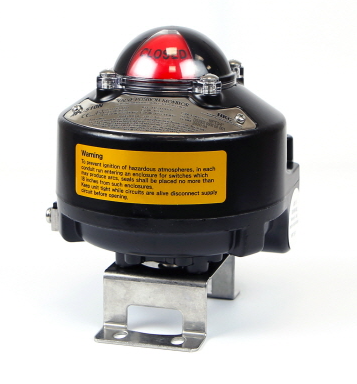
 APL5 Series Limit Switch BoxSeries APL510
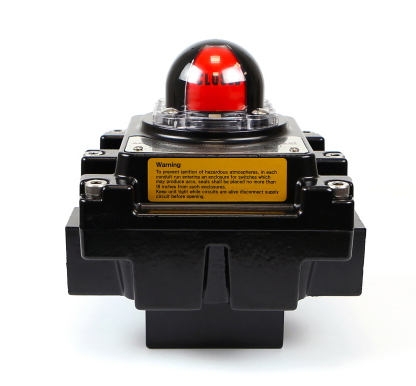
 APL4 Series Limit Switch BoxSeries APL410
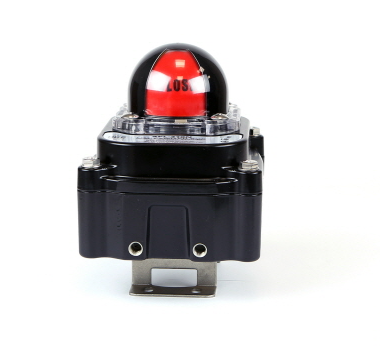
 APL3 Series Limit Switch BoxSeries APL310
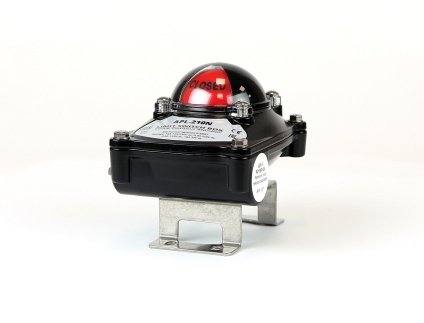
 APL2 Series Limit Switch BoxSeries APL210
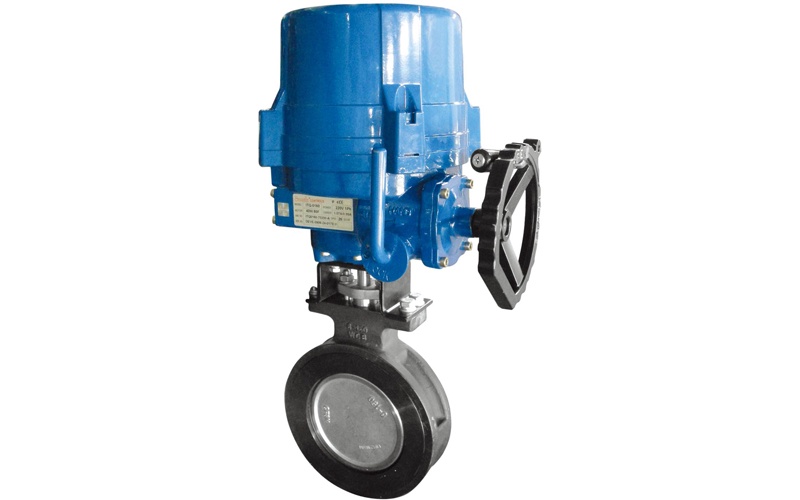
 High Performance Butterfly Valves
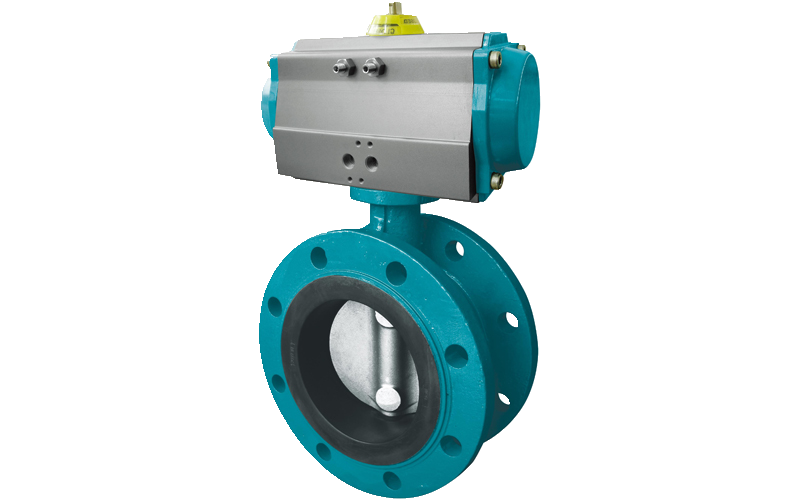
 Flange Butterfly Valve
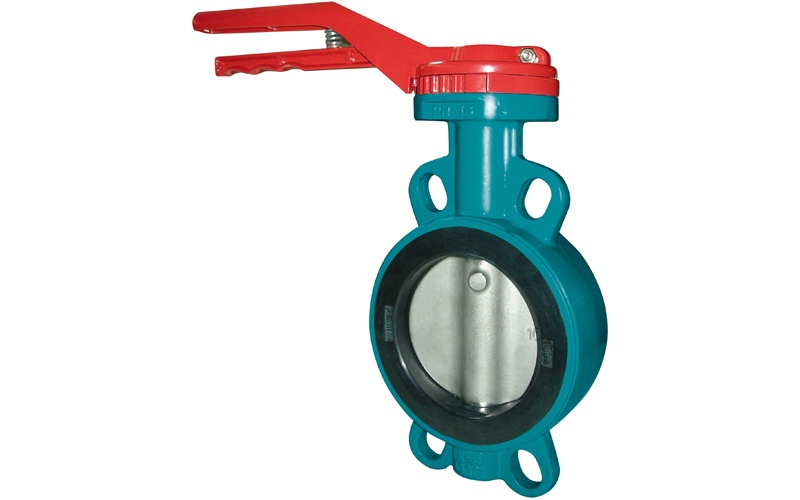
 Lug Butterfly Valve
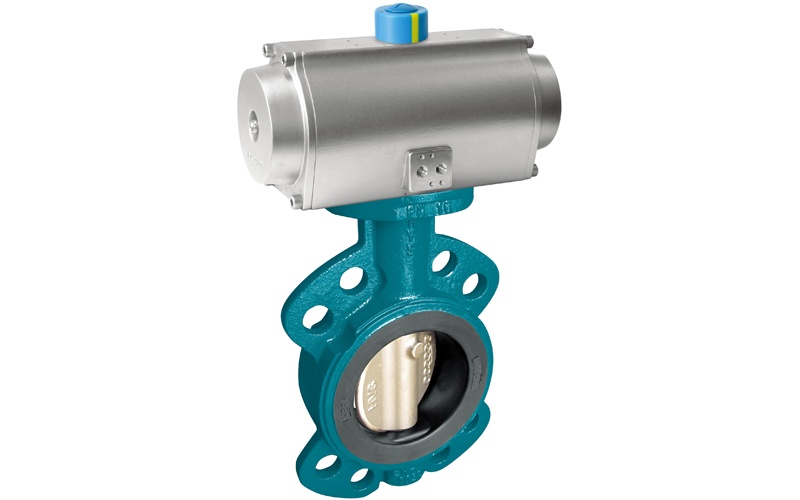
 Wafer Butterfly Valve
 Threaded ball valve
 3-way ball valve
 Flanged Ball Valve
 3-Piece Ball Valve
Contact US
Simmel International Inc. Cookie Notice
We use cookies and other tracking technologies to enhance your experience on our website, to show you personalized content and targeted ads, and to analyze traffic and site usage. By either clicking "Agree All" or continuing to navigate our website, you are consenting to the use of cookies and other tracking technologies on your device as described in our Privacy Policy.