Flow Controls
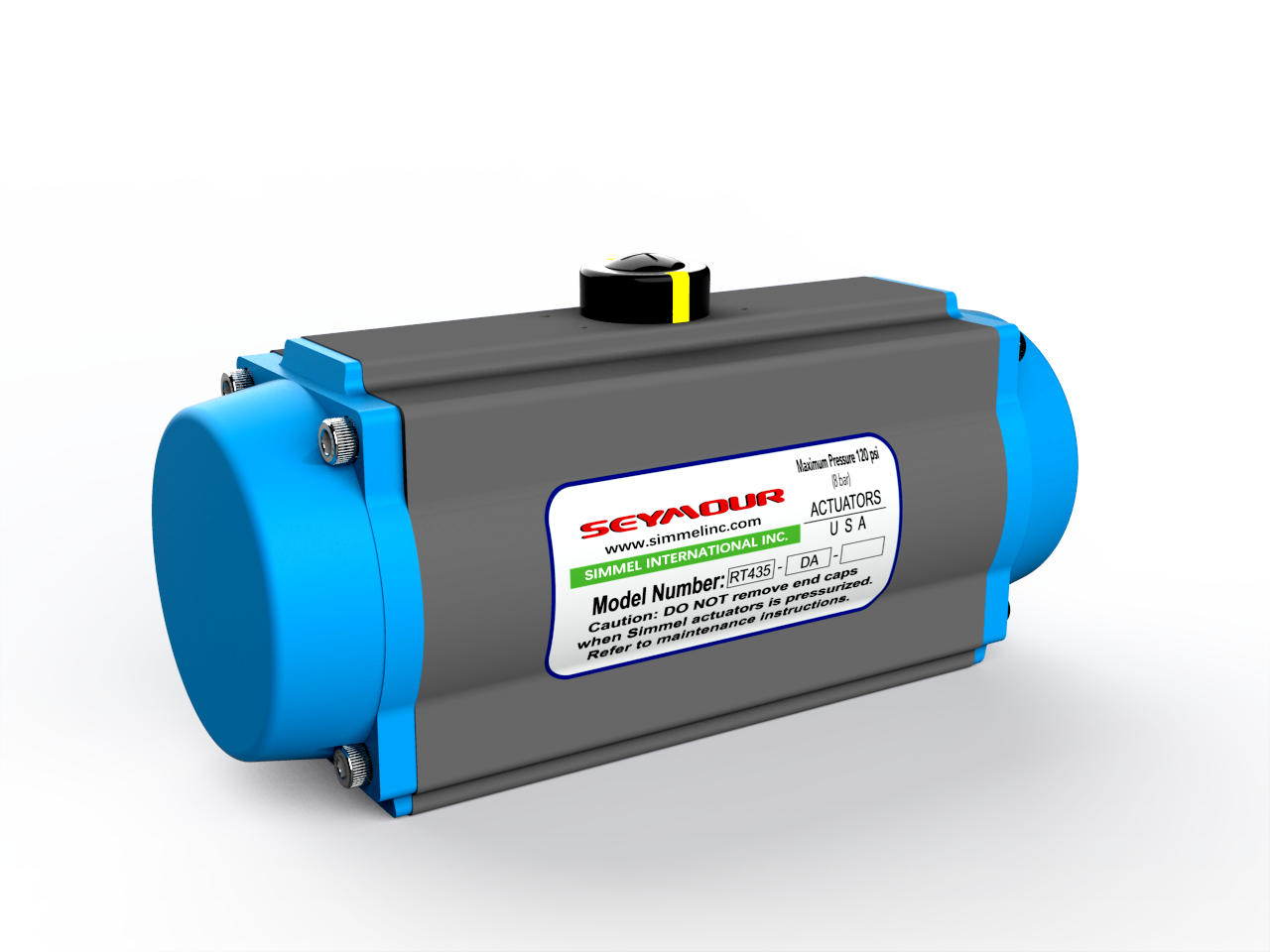
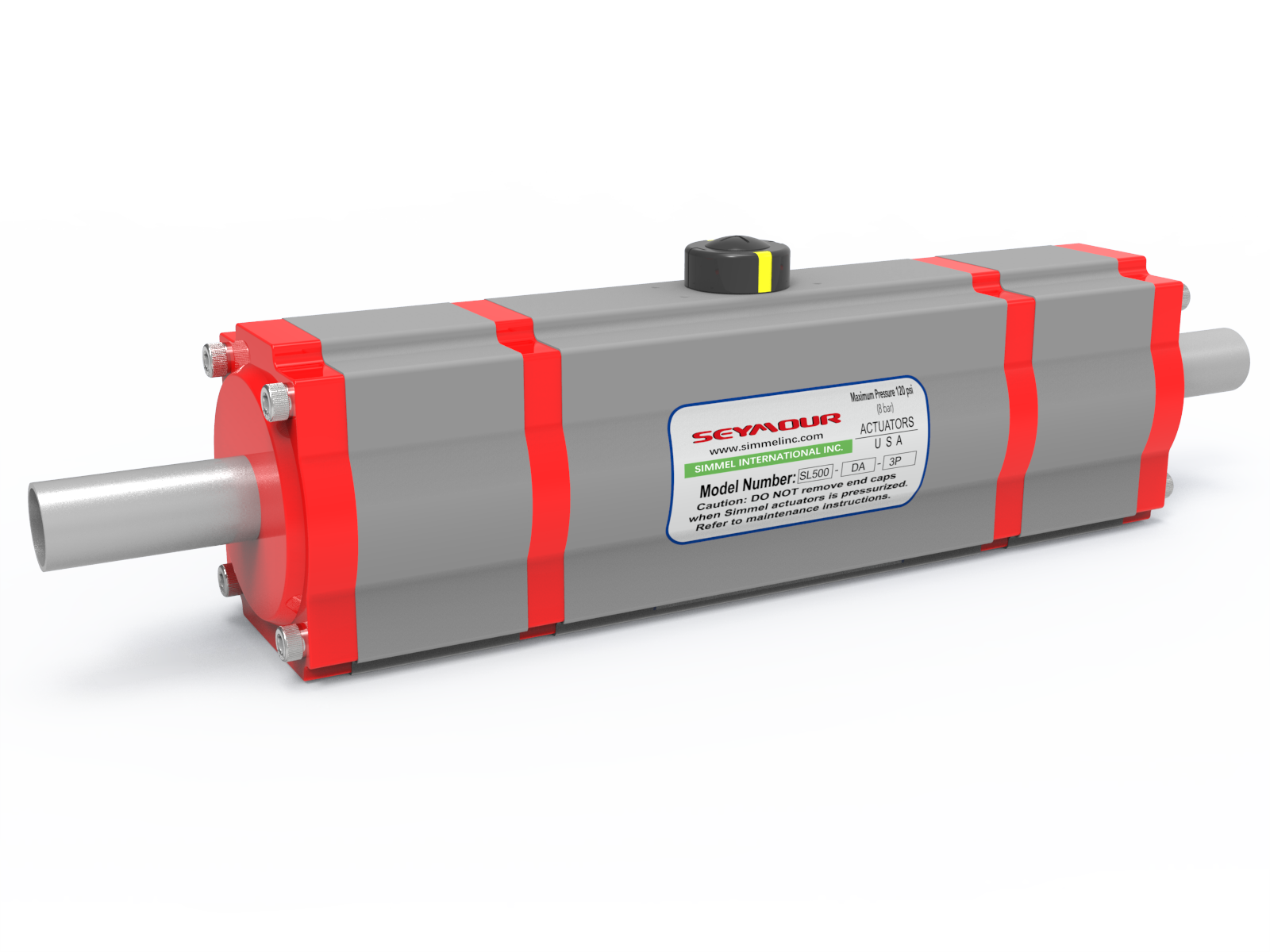
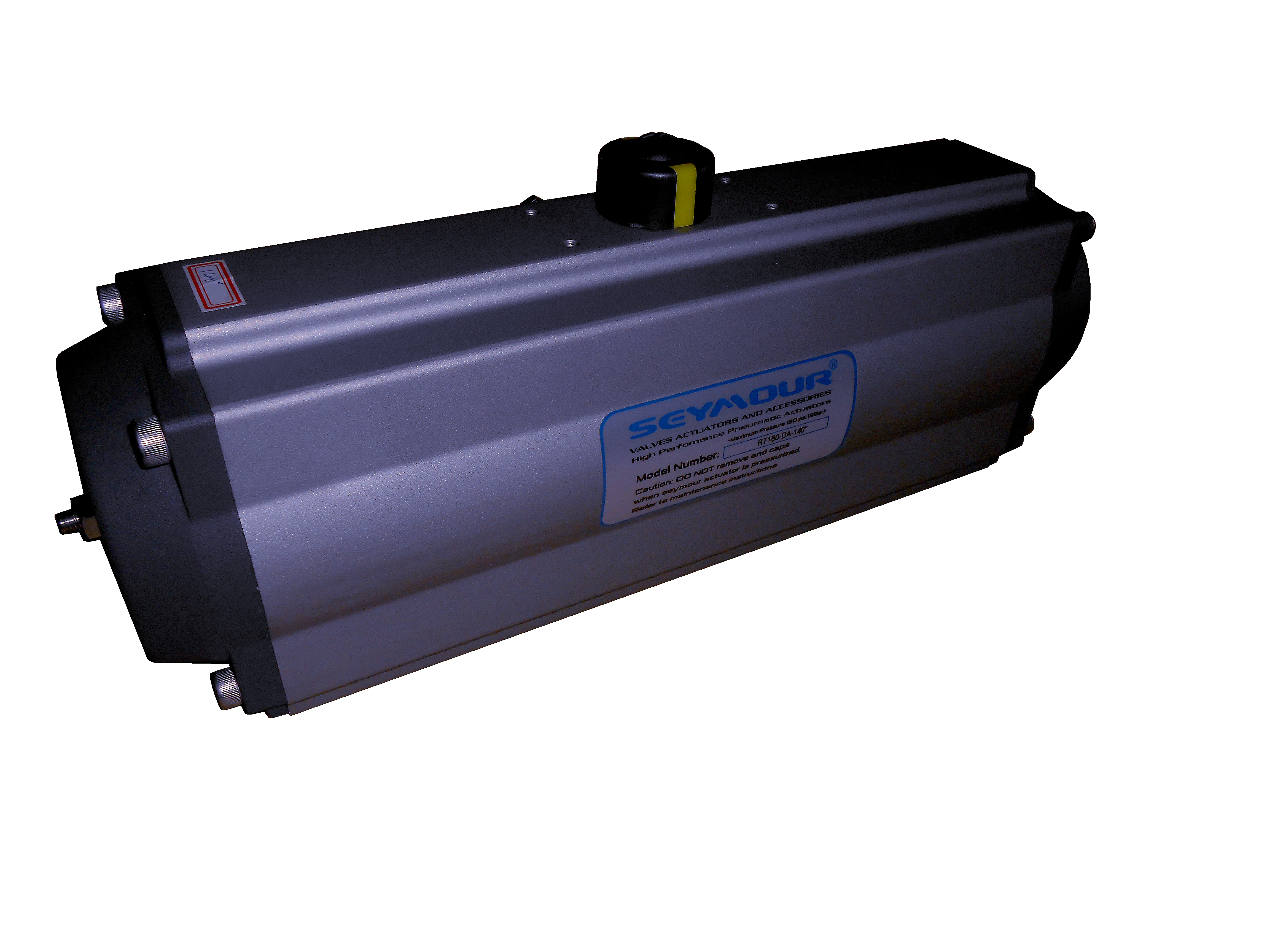
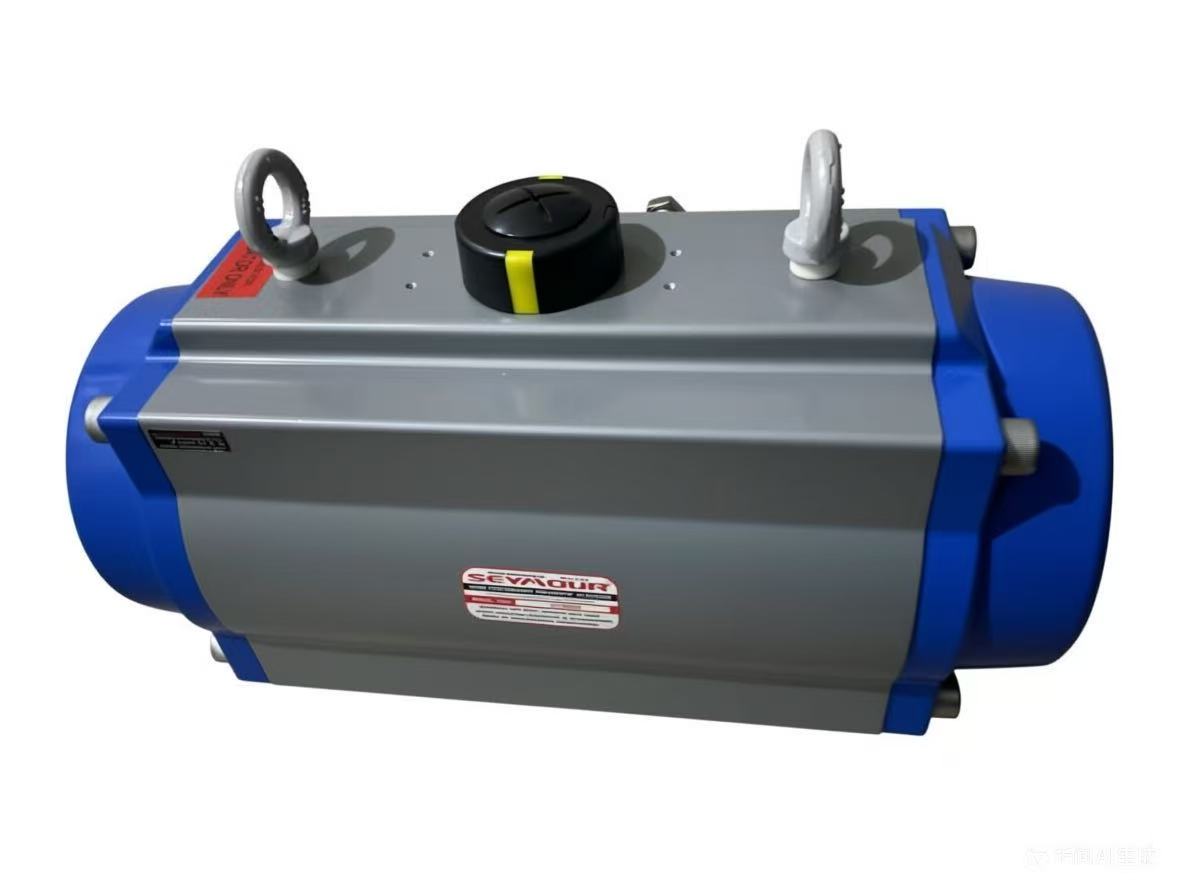
Pneumatic Actuator
‹
›
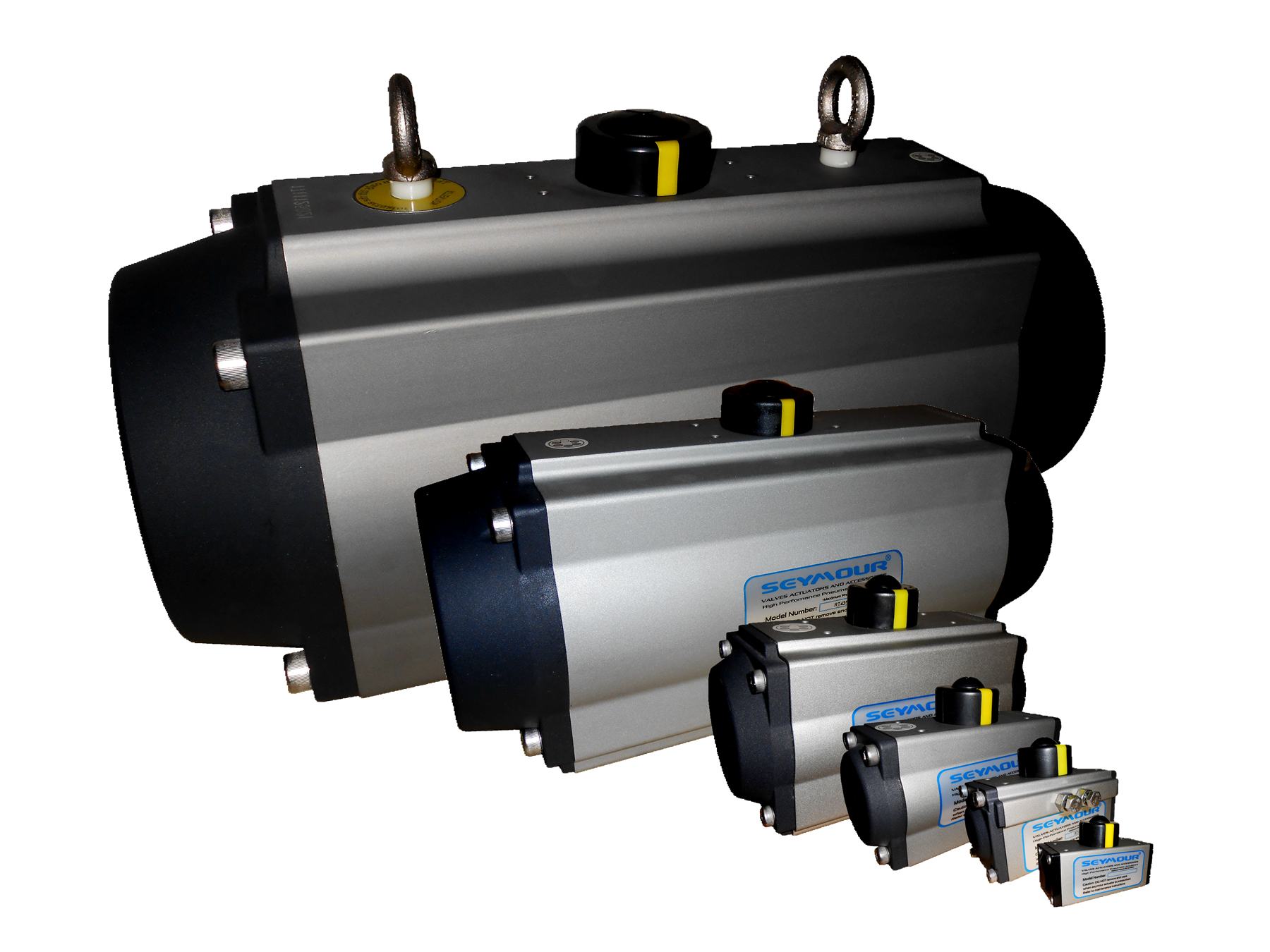
Product Overview
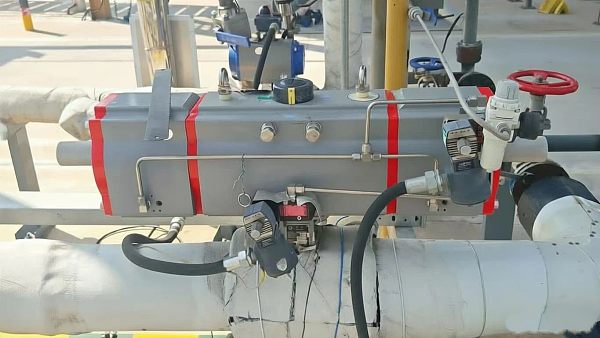
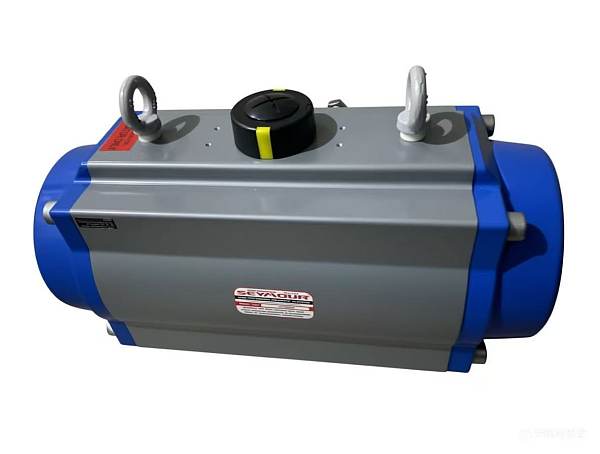
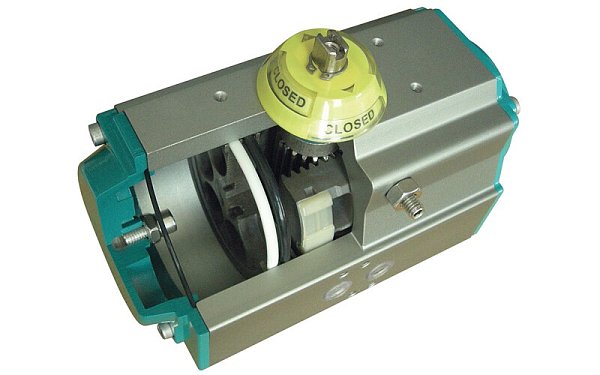
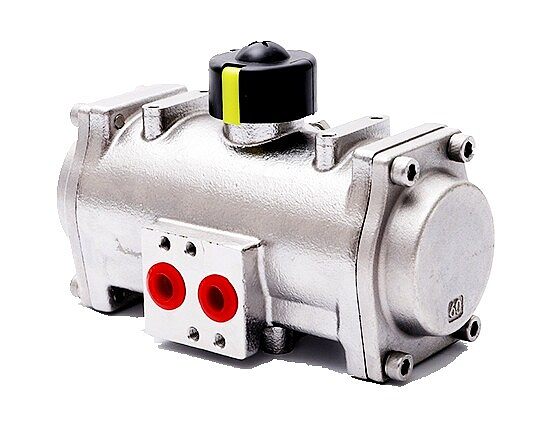
A pneumatic actuator is a practical choice for operations that require dependable motion control, quick response, and straightforward integration with automated valve systems. Powered by compressed air, it transforms air pressure into mechanical movement to open, close, position, or regulate equipment in industrial processes. This operating principle makes it especially suitable for environments where electrical actuation may be less desirable due to safety, maintenance, or duty-cycle considerations.
In day-to-day plant use, consistency matters as much as raw performance. For that reason, this product is commonly selected for process lines that demand repeatable action, simple control logic, and stable operation over extended service periods. Whether installed on quarter-turn valves or integrated into broader automation assemblies, it supports efficient process control while helping reduce manual intervention. Its air-driven design also contributes to clean operation and fast cycling, which are both valuable in modern production environments.
From an engineering perspective, the main value of this solution lies in its balance of speed, reliability, and compatibility. It can be applied where operators need on/off movement, indexed positioning, or automated actuation tied to control signals. In sectors where uptime is closely monitored, an air-powered mechanism remains a trusted option because it is widely understood, easy to service, and suitable for continuous industrial use when paired with proper air preparation and system design.
Key Functional Benefits
- Converts compressed air into controlled linear or rotary motion, depending on system design.
- Supports fast actuation for process steps that require quick opening and closing cycles.
- Helps reduce manual operation in valve handling and equipment switching tasks.
- Works well in automated production systems that depend on repeatable movement.
- Offers a practical solution for plants seeking low-complexity, service-friendly actuation.
A well-selected pneumatic actuator can improve process response while simplifying operational routines. In many facilities, maintenance teams favor pneumatic systems because the working principle is familiar and support components are broadly available. This makes troubleshooting more direct and can shorten service interruptions when routine inspection or replacement is required.
Why Industrial Users Choose This Type of Actuation
Industrial buyers often evaluate actuation products not only by motion output, but also by lifecycle practicality. An air-operated design remains attractive because it fits easily into existing compressed-air infrastructure and can be integrated with solenoid valves, positioners, limit switches, and control accessories. That flexibility allows engineers to configure a solution around actual process requirements instead of adapting the process to the actuator.
Another advantage is operational responsiveness. In applications where timing matters, such as automated isolation, batching, media transfer, or utility line switching, compressed air can deliver quick and decisive movement. This helps support safer transitions and smoother process sequencing. For facilities that already maintain air supply standards, implementation is often efficient and cost-conscious.
Typical Performance Advantages
- Reliable motion output for repetitive industrial tasks.
- Rapid reaction to control commands in automated systems.
- Suitable for demanding operating schedules with routine maintenance.
- Simple integration with common valve automation accessories.
- Practical for centralized control and remote operation strategies.
Common Application Areas
This product is widely used across industries where controlled movement is essential to fluid handling or mechanical process control. Common examples include water treatment, chemical processing, food and beverage production, general manufacturing, power utilities, and oil and gas support systems. In these environments, the actuator can be matched with valves, dampers, or automated mechanisms to improve process consistency and reduce operator workload.
It is particularly relevant in installations where manual actuation is inefficient, difficult to access, or inconsistent under frequent cycling. Production managers, maintenance engineers, system integrators, and OEM equipment builders often consider this category when they need dependable motion control that aligns with established plant infrastructure. For end users, the benefits are usually seen in more stable operation, improved process repeatability, and easier connection to control architecture.
Who Benefits Most
- Plant operators seeking dependable automated valve movement.
- Maintenance teams looking for serviceable and familiar actuation systems.
- OEMs building packaged process skids or integrated equipment units.
- Automation engineers specifying responsive components for control systems.
- Facility managers aiming to improve efficiency while reducing manual handling.
Selection and Use Considerations
To achieve reliable results, selection should be based on the actual operating conditions of the installation. Engineers typically review required torque or force, motion type, cycle frequency, available air quality, mounting compatibility, and accessory needs before choosing a final configuration. Proper sizing is important because an oversized or undersized actuator can affect control quality, system wear, and overall service life.
Air preparation also plays a critical role in long-term performance. Clean, dry, and stable compressed air helps preserve internal components and maintain consistent movement. In practice, users often pair the actuator with filters, regulators, and control hardware to support reliable operation. Routine inspection of seals, fittings, and accessory connections further supports dependable service in continuous-duty environments.
For businesses seeking an effective automation component with proven industrial relevance, a pneumatic actuator remains a strong and practical option. Its value comes from dependable motion, fast response, broad compatibility, and ease of integration into established process systems. When selected according to application requirements and maintained within normal operating standards, it can support efficient, repeatable, and professionally controlled plant operation.

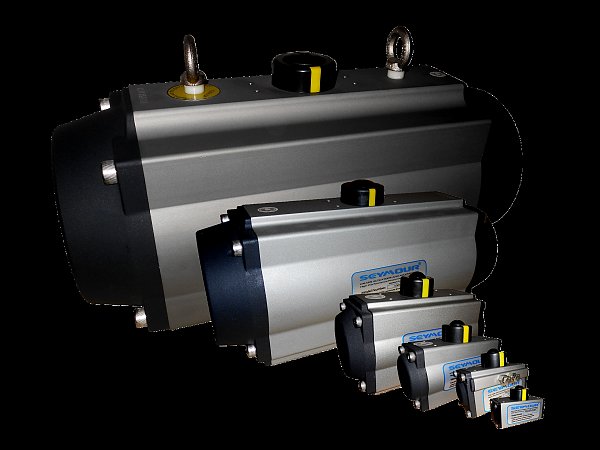
RT Series Pneumatic Actuator
Series RT
High-performance RT Pneumatic Actuator for industrial automation. Durable, precise, and designed for heavy-duty applications with smooth operation.
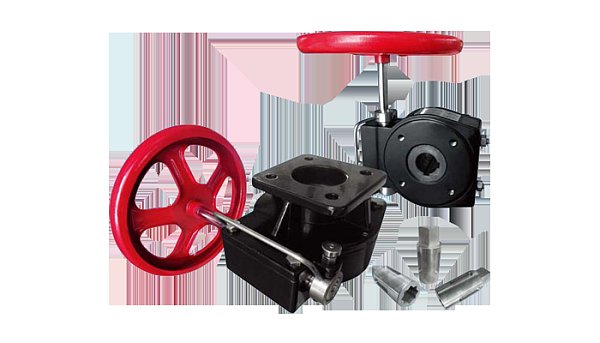
Declutchable Gear Override
Series ALXL
SIMMEL ALXL declutchable gear override enables manual operation of butterfly, ball and plug valves with pneumatic actuators during installation or air loss.
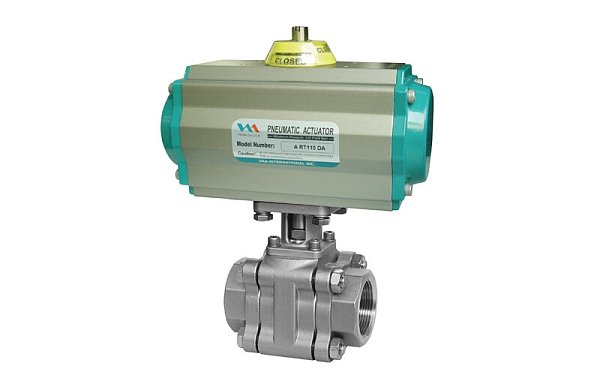
Threaded ball valve
Discover premium threaded ball valves designed for industrial use. Our durable, high-performance valves ensure reliable flow control with easy installation.
ART series three pistons pneumatic actuator
Series 3P
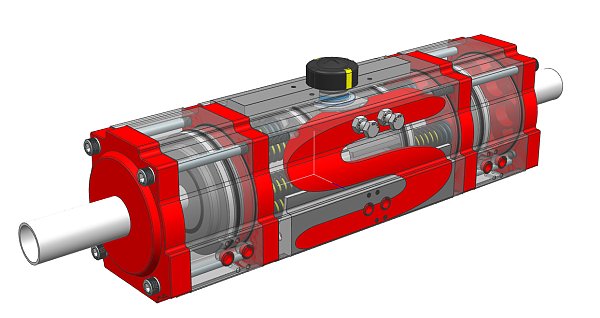
Simmel Three Pistons Actuators deliver robust linear motion control with triple-piston precision. Ideal for industrial automation requiring high-force output and reliability.
SL Series Pneumatic Actuator
Series SL
SL Series High-performance Pneumatic Actuator for industrial automation. Durable, precise, and designed for heavy-duty applications with smooth operation.
ART Series Pneumatic Actuator
Series ART
High-performance ART series Pneumatic Actuator for industrial automation. Durable, precise, and energy-efficient with compact design for versatile applications.
Three pistons Actuators
Series 3P
Simmel Three Pistons Actuators deliver robust linear motion control with triple-piston precision. Ideal for industrial automation requiring high-force output and reliability.
Stainless Steel pneumatic actuator
Series SS
SIMMEL stainless steel actuators are widely used in petrochemical, shipping, food and pharmaceutical, offshore operations and other industries.
{item.title}
{item.code}
Simmel International Inc. Cookie Notice
We use cookies and other tracking technologies to enhance your experience on our website, to show you personalized content and targeted ads, and to analyze traffic and site usage. By either clicking "Agree All" or continuing to navigate our website, you are consenting to the use of cookies and other tracking technologies on your device as described in our Privacy Policy.