Our Valves
Multi-Port
Product Overview
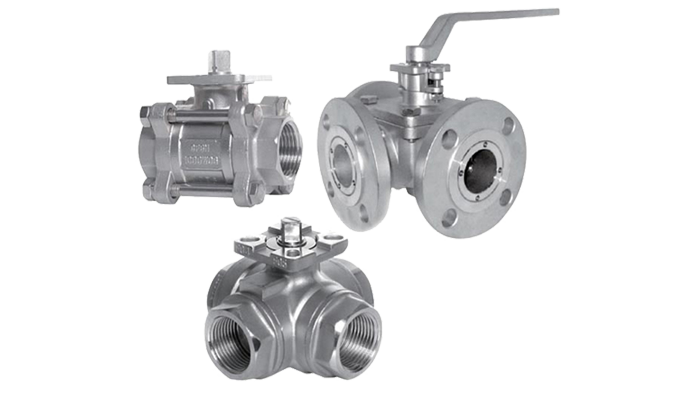
A Multi-Port ball valve is designed for fluid systems that require more than simple on/off isolation. By integrating multiple flow paths into a single valve body, it allows operators to redirect, combine, or isolate media with a compact and practical solution. In many process layouts, this design helps reduce the number of valves, fittings, and connection points required, which can support cleaner piping arrangements and simplify routine operation.
Compared with conventional single-port configurations, this valve type is often selected where space efficiency and process flexibility matter. It can be used to switch flow between lines, manage distribution in transfer systems, or support operational sequences that would otherwise require several separate components. For engineers, maintenance teams, and plant managers, that can translate into a more streamlined installation and fewer potential leakage points across the line.
Key Functional Advantages
The primary value of a Multi-Port ball valve lies in its ability to perform multiple flow control tasks within one assembly. This makes it a practical option for systems where fluid routing must be clear, repeatable, and easy to manage. The internal ball design enables precise passage selection, while the compact valve structure supports installation in areas where pipework density is high.
- Flow diversion: Directs media from one inlet to different outlet paths according to system demand.
- Flow switching: Allows line-to-line transfer without relying on several separate shutoff valves.
- System simplification: Helps reduce piping complexity, component count, and assembly footprint.
- Operational clarity: Supports straightforward valve positioning for repeatable process control.
- Maintenance efficiency: Fewer connected components may contribute to easier inspection and service planning.
In practice, these advantages are especially relevant in industrial environments where consistency, reliability, and space management all influence equipment selection. Whether the system handles liquids, gases, or general process media, the valve’s multi-directional control concept can improve layout efficiency without introducing unnecessary complication.
Why This Valve Design Matters in Real Systems
In many facilities, operators are asked to do more with limited installation space and tighter maintenance schedules. A Multi-Port ball valve addresses that challenge by consolidating several control functions into one point of operation. Instead of coordinating multiple manual actions across a section of pipework, users can manage flow paths more directly. This can be particularly useful in skids, utility lines, transfer panels, batching systems, and service loops where organized piping is essential for both safety and uptime.
From a design perspective, fewer fittings and valve bodies may also support cleaner system architecture. Reducing the number of assembled parts can help simplify procurement, installation planning, and long-term service routines. While final performance always depends on the specific valve configuration and application conditions, the structural logic of a multi-port arrangement is widely valued where controlled routing is a recurring operational need.
Typical Features and Selection Considerations
When evaluating this type of valve, buyers typically focus on compatibility with media, line arrangement, actuation preference, and maintenance accessibility. Because application requirements vary widely, the most suitable design should always be matched to the actual process conditions and operating objectives.
- Port configuration: Different internal flow patterns are used depending on whether the valve is intended for diversion, distribution, or isolation between several channels.
- Material suitability: Valve body, ball, and seat materials should be selected according to the characteristics of the handled media and surrounding service environment.
- Installation layout: Connection orientation and available pipe space influence how effectively the valve can be integrated into the system.
- Operation method: Manual or automated control may be considered based on process frequency and control requirements.
- Service access: Ease of inspection and replacement remains important for plants seeking stable long-term operation.
A well-chosen Multi-Port ball valve can support both practical installation goals and daily operational efficiency. It is not only a component for opening or closing flow; it is a routing solution that can make a noticeable difference in how a process line is organized and managed over time.
Common Application Areas
This valve type is used across a wide range of fluid handling systems where directional control is required. Its suitability depends on the application design, but it is commonly considered in the following scenarios:
- Industrial process piping
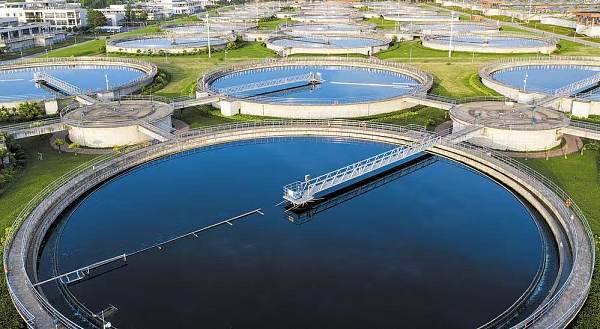
- Water treatment and utility distribution lines
- Chemical transfer and circulation systems
- Oil and gas auxiliary flow control loops
- Equipment skids and compact modular assemblies
- Mixing, bypass, and line-selection arrangements
In these environments, the ability to manage more than one flow path from a single valve position can support faster operation and a more disciplined piping layout. For system integrators and maintenance teams, the valve is often appreciated not only for its functional role but also for the way it helps organize the broader process structure.
Who Benefits Most
A Multi-Port ball valve is especially relevant for engineers designing compact systems, procurement teams seeking practical valve consolidation, and operations personnel responsible for dependable day-to-day flow management. It can also be valuable for plant owners aiming to reduce unnecessary complexity in process sections where multiple routing steps are routine. By combining flexibility and compactness in one valve body, it supports a professional approach to system control without overstating what the equipment is meant to do.
For projects that prioritize efficient flow direction, simplified piping, and clear operational logic, this valve remains a sound and widely recognized solution. Careful product selection based on actual service conditions will help ensure the right balance of control, reliability, and maintainability for the intended application.
Valves product series
Multi-Port

{item.catname}
{item.title}
{item.code}
Valves Industry Applications
Multi-Port






Contact US