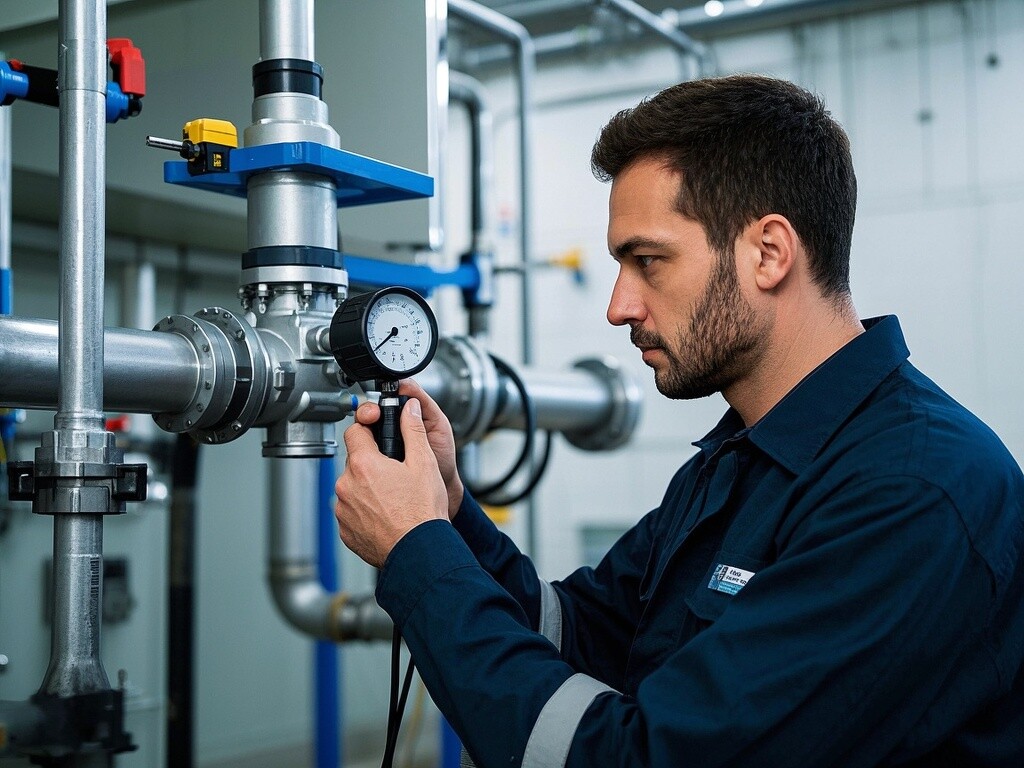
Understanding Pneumatic Actuator Failures
Pneumatic actuators convert compressed air energy into mechanical motion, playing a vital role in valve automation. When these components malfunction, they can disrupt entire control systems. Recognizing early symptoms and applying corrective measures minimizes downtime and maintenance costs.
Common Pneumatic Actuator Problems and Solutions
1. Air Leakage Issues
Air leaks significantly reduce actuator efficiency and increase energy consumption. Common leakage points include:
- Worn diaphragm seals
- Cracked O-rings or gaskets
- Loose pneumatic connections
Solution: Conduct regular pressure tests using soap bubble methods to identify leaks. Replace damaged seals with ISO 5211-compliant components and ensure proper torque on all fittings.
2. Slow or Erratic Movement
Actuators exhibiting delayed response or jerky motion often suffer from:
3. Valve Sticking or Failure to Close
When actuators can't fully close valves, consider these factors:
- Excessive stem friction due to corrosion
- Inadequate spring force in spring-return models
- Misalignment between actuator and valve
Solution: Apply anti-seize compounds during installation. For spring failures, replace complete actuator modules rather than individual springs to ensure balanced force distribution.
Preventive Maintenance Best Practices
Extend actuator lifespan with these maintenance strategies:
- Quarterly lubrication of moving parts using ISO VG 32 hydraulic oil
- Annual diaphragm inspection for cracks or hardening
- Biannual calibration of position sensors and limit switches
- Continuous monitoring of air quality (dew point below -40°F)
When to Consider Professional Service
While many issues can be resolved in-house, contact Simmel's technical team when encountering:
- Repeated failures within warranty period
- Complex electrical/mechanical interactions
- Safety-critical applications requiring certified repairs
Why Choose Simmel for Actuator Solutions
With 25+ years in flow control automation, we provide:
- ATEX/IECEx certified actuators for hazardous areas
- On-site troubleshooting by certified technicians
- Custom-engineered solutions for unique applications
- 24/7 emergency support with 4-hour response guarantee
Contact our engineering team today for a free system assessment or to discuss upgrade options for your pneumatic actuators.
Share:
Categories
Tag Cloud
Popular Post
Leave A Message
Simmel International Inc. Cookie Notice
We use cookies and other tracking technologies to enhance your experience on our website, to show you personalized content and targeted ads, and to analyze traffic and site usage. By either clicking "Agree All" or continuing to navigate our website, you are consenting to the use of cookies and other tracking technologies on your device as described in our Privacy Policy.