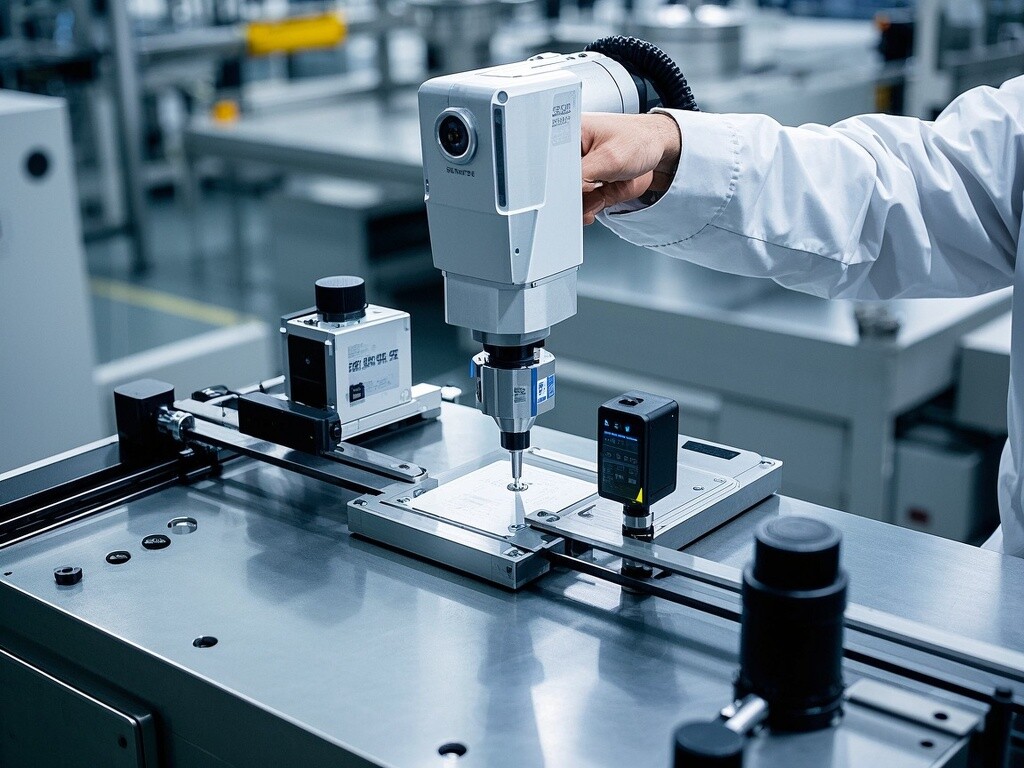
Introduction to Limit Switch Boxes and Proximity Sensors
Limit switch boxes and proximity sensors play crucial roles in automation control systems, each serving distinct functions. A limit switch box acts as a mechanical switch, triggered by an object reaching a predetermined position, while a proximity sensor detects the presence of nearby objects without physical contact.
Key Differences
Applications of Limit Switch Boxes
Limit switch boxes are widely utilized in various industries, including manufacturing, automotive, and packaging. They are particularly effective for applications requiring precise position control, such as:
- Conveyors
- Automated doors
- Safety guard systems
Applications of Proximity Sensors
Proximity sensors are versatile devices suitable for a range of applications. Their non-contact capability makes them ideal for environments where mechanical switches may fail. Common uses include:
- Automated assembly lines
- Industrial robots
- Level sensing in tanks
Advantages and Disadvantages
Limit Switch Boxes
Advantages: High durability under harsh conditions, cost-effective for mechanical setups.
Disadvantages: Mechanical wear can lead to failure, requiring periodic maintenance.
Proximity Sensors
Advantages: Longer lifespan due to solid-state technology, faster response times.
Disadvantages: Higher initial cost, potential sensitivity to environmental factors.
Cost Analysis
The initial investment and long-term maintenance costs should be carefully evaluated when choosing between a limit switch box and a proximity sensor. While limit switch boxes may have a lower purchase price, their maintenance needs can add up. Conversely, proximity sensors may cost more upfront but can offer savings in the long run due to their durability.
Conclusion
Choosing between a limit switch box and a proximity sensor ultimately depends on your specific application requirements. If your operation needs robust mechanical control and can manage maintenance, a limit switch box may be the best choice. However, for applications where reliability and speed are crucial, investing in a proximity sensor could be the ideal solution.
Why Choose Simmel?
At Simmel, we specialize in high-performance automation control systems, offering a wide range of products, including limit switch boxes and proximity sensors. Our expertise ensures you receive quality solutions tailored to your operational needs. Contact us today to discuss how we can enhance your automation processes.
Share:
Categories
Tag Cloud
Popular Post
Leave A Message
Simmel International Inc. Cookie Notice
We use cookies and other tracking technologies to enhance your experience on our website, to show you personalized content and targeted ads, and to analyze traffic and site usage. By either clicking "Agree All" or continuing to navigate our website, you are consenting to the use of cookies and other tracking technologies on your device as described in our Privacy Policy.