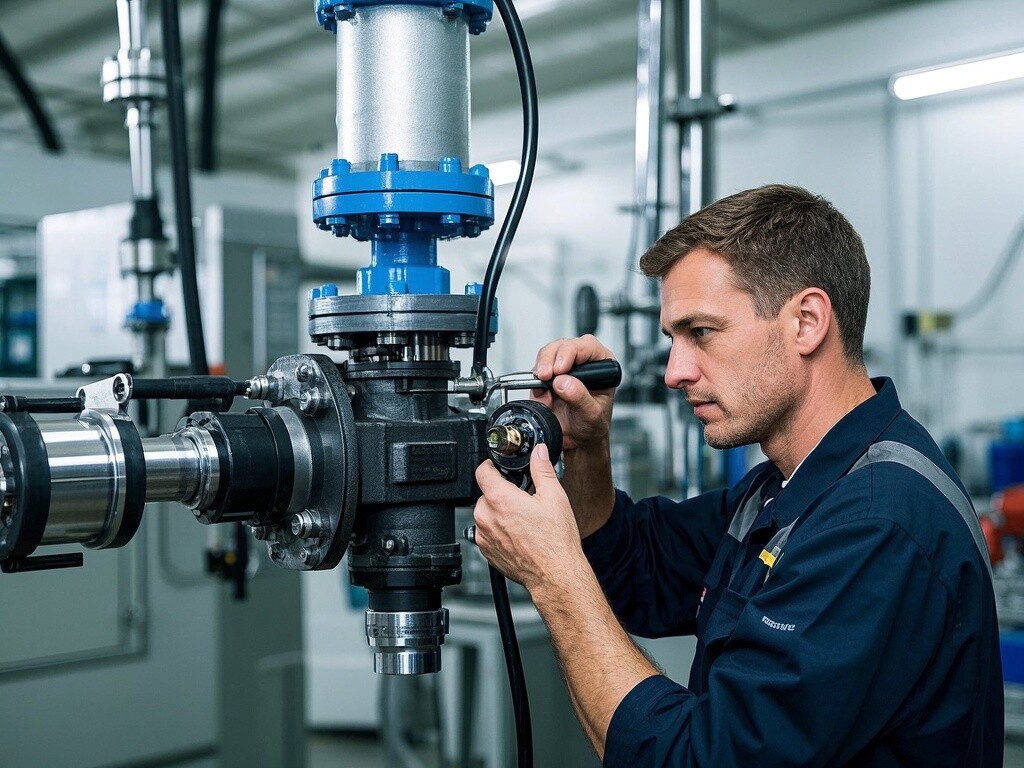
Understanding Pneumatic Actuator Fundamentals
Pneumatic actuators convert compressed air energy into mechanical motion, playing a vital role in industrial automation systems. These robust components require regular maintenance to prevent operational failures and ensure consistent performance across valves, dampers, and other control elements.
Key Components Requiring Attention
- Piston seals: Primary wear point affecting actuator efficiency
- O-rings: Critical for maintaining air pressure integrity
- Bearings: Ensure smooth mechanical operation
- End caps: Protect internal components from contamination
- Spring mechanisms: Essential for fail-safe operation
Preventive Maintenance Procedures
Implementing a structured maintenance schedule can reduce downtime by up to 60% while extending actuator service life. Follow these industry-approved procedures:
Monthly Maintenance Checklist
Quarterly Maintenance Tasks
Every three months, perform these critical maintenance actions:
- Complete pneumatic system leak testing using ultrasonic detection
- Lubricate all moving parts with ISO VG 32 hydraulic oil
- Inspect diaphragm for fatigue or chemical degradation
- Verify positioner calibration accuracy
- Test emergency shut-down functionality
Troubleshooting Common Issues
Recognizing early warning signs can prevent catastrophic actuator failures. Watch for these symptoms:
Performance Indicators
- Slow response time: Often indicates air supply issues or internal friction
- Air leakage: Suggests seal degradation or component wear
- Erratic movement: May signal contamination or lubrication failure
- Reduced torque output: Potential piston or spring mechanism problem
Advanced Maintenance Techniques
For mission-critical applications, consider these professional maintenance strategies:
Predictive Maintenance Approach
Implement vibration analysis and thermal imaging to detect developing issues before they cause operational disruptions. Modern pneumatic actuators with smart sensors can provide real-time performance data for condition-based maintenance.
Seal Replacement Protocol
When replacing seals and O-rings:
- Use only manufacturer-approved materials (NBR, FKM, or EPDM compounds)
- Clean all mating surfaces with isopropyl alcohol
- Apply silicone-based lubricant during installation
- Perform pressure testing after reassembly
Why Choose Simmel for Your Actuator Needs
With 25+ years in flow control automation, Simmel delivers:
- ISO 9001-certified manufacturing processes
- ATEX-compliant actuators for hazardous environments
- Custom engineering solutions for unique applications
- Global technical support network
- Extended warranty programs
Contact our engineering team today for pneumatic actuator maintenance consultations or to discuss our high-performance actuator solutions designed for demanding industrial environments.
Share:
Categories
Tag Cloud
Popular Post
Leave A Message
Simmel International Inc. Cookie Notice
We use cookies and other tracking technologies to enhance your experience on our website, to show you personalized content and targeted ads, and to analyze traffic and site usage. By either clicking "Agree All" or continuing to navigate our website, you are consenting to the use of cookies and other tracking technologies on your device as described in our Privacy Policy.