Flow Controls
‹
›
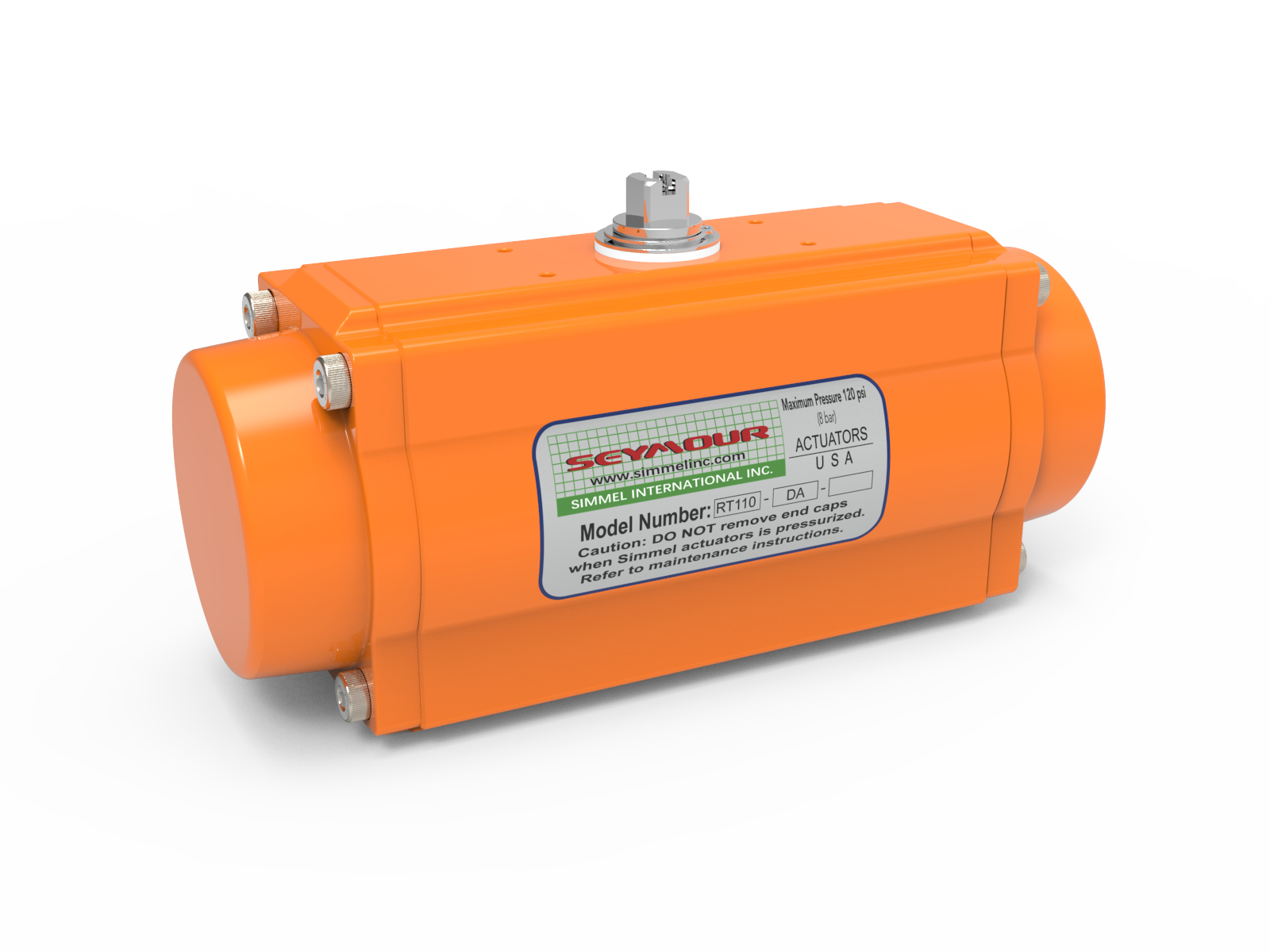
Rack and Pinion Pneumatic Actuator Explained: Key Types, Working Principles, and Industrial Uses
What Is A Rack And Pinion Pneumatic Actuator
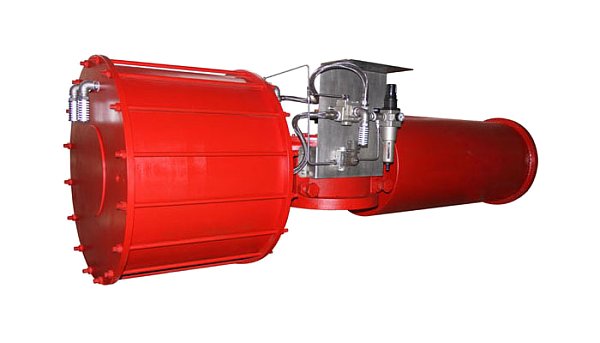
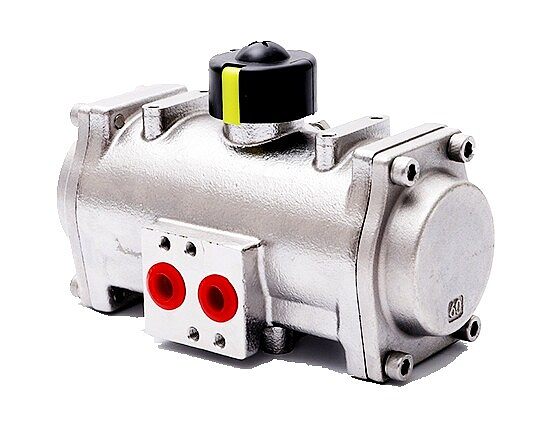
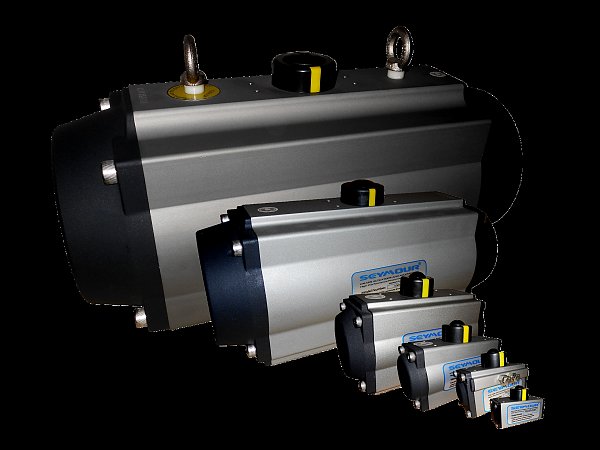
A rack and pinion pneumatic actuator is a quarter-turn device that converts linear piston force into rotary motion. Compressed air pushes one or two pistons inside a cylinder body, and the piston racks engage a central pinion gear to rotate the output shaft. In industrial automation, this design is widely used to operate ball valves, butterfly valves, plug valves, and dampers.
Its popularity comes from a practical balance of compact size, repeatable movement, and straightforward integration with valve positioners, solenoid valves, limit switches, and air preparation units. Compared with bulkier actuator formats, the rack and pinion pneumatic actuator offers a high torque-to-envelope ratio, which is valuable where pipe racks, skids, or control panels leave limited installation space.
Most units are designed for 90-degree rotation, although some applications require adjusted travel stops. Common body materials include aluminum alloy and coated metals selected for corrosion resistance and weight control. In general industry practice, buyers also review sealing materials, output interface dimensions, mounting patterns, and environmental suitability before specifying an actuator for service.
How The Working Principle Supports Reliable Valve Automation
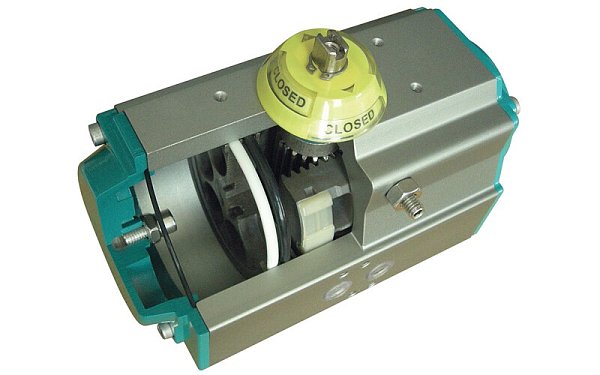
The core operating principle is mechanical conversion. When compressed air enters the actuator chamber, it drives the pistons outward or inward, depending on the porting arrangement. The rack teeth on each piston mesh with the pinion, turning the shaft and the connected valve stem. This creates controlled quarter-turn motion suitable for open-close duty and many modulating tasks when paired with the right accessories.
In double-acting designs, air pressure powers both opening and closing strokes. This is useful where consistent torque in both directions and faster cycling are required. In single-acting, or spring-return, versions, air pressure moves the actuator one way and internal springs drive it back when air is removed. That arrangement is common where a defined fail-open or fail-closed action is part of the process safety philosophy.
Torque output is not always perfectly flat through the full stroke. Engineers therefore compare the actuator torque curve with valve seating and breakaway torque, not only nominal output at one pressure point. A properly selected rack and pinion pneumatic actuator should overcome start torque, running torque, and end-of-stroke seating demands with a realistic safety margin that reflects supply pressure variation and wear over time.
From a controls perspective, the design also supports fast response and simple maintenance. External accessories can indicate position, manage switching logic, and improve accuracy without changing the basic mechanical platform. This modularity is one reason automated flow control systems continue to rely on pneumatic quarter-turn actuation across oil and gas, water treatment, chemicals, food processing, and general manufacturing.
Main Types And Their Best-Fit Uses
The first major classification is single-acting versus double-acting. Single-acting actuators include spring packs that return the valve to a predetermined position if the air supply is lost. They are often chosen for emergency shutdown, utility isolation, and duty where process risk demands a known fail state. Double-acting models rely on air in both directions and are common in stable utility systems and frequent-cycling applications.
Another useful classification is by mounting and interface standard. Buyers usually prefer actuators with standardized top and bottom interfaces so valve mounting, switch box installation, and accessory replacement remain straightforward. This reduces engineering time during procurement and simplifies future interchangeability, especially in plants that want to avoid overdependence on one exact assembly layout.
Material and protection level create another layer of differentiation. Lightweight aluminum bodies are widely used in standard indoor or sheltered service, while harsher environments may require stronger surface protection, stainless steel external hardware, or special sealing for dust, humidity, washdown, or mildly corrosive atmospheres. In offshore or chemical duty, finish quality and corrosion resistance can influence service life almost as much as torque sizing.
For buyers evaluating options from A safe and reliable flow control company, the practical advantage lies in choosing a rack and pinion pneumatic actuator package that is easy to integrate with valves, controls, and maintenance routines. In real plant conditions, the best-fit type is rarely the cheapest body alone; it is the actuator configuration that aligns with fail action, environment, cycle rate, and downstream service expectations.
Who Uses It And Where It Delivers The Most Value
Typical users include valve manufacturers, EPC contractors, skid builders, plant maintenance teams, OEM automation integrators, and procurement managers responsible for shutdown reliability. These stakeholders usually need predictable quarter-turn actuation that can be matched with standardized valves and common pneumatic accessories. The rack and pinion pneumatic actuator fits that requirement well because it is compact, scalable, and familiar to global industrial users.
In water and wastewater systems, these actuators are often installed on butterfly and ball valves for chemical dosing lines, filter trains, and distribution networks. In chemical and process plants, they support isolation and directional control where compressed air is already available and electrical actuation may be less preferred in certain hazardous or high-moisture environments. In food, beverage, and pharmaceutical support utilities, clean compressed air infrastructure also makes pneumatic automation practical.
Oil and gas, terminals, and energy facilities use pneumatic quarter-turn actuators because air power can support fast response and robust operation in remote or demanding settings. Although exact compliance requirements differ by region and project, specifiers commonly check mounting standards, ingress protection expectations for accessories, ambient temperature suitability, and compatibility with site instrument air quality before final approval.
Where global sourcing is involved, buyers also value suppliers that understand documentation discipline, dimensional consistency, and packaged automation assemblies. That is where A safe and reliable flow control company can be positioned credibly: not by unsupported claims, but by offering a practical flow control mindset centered on safer actuation selection, system compatibility, and dependable valve automation for cross-border industrial projects.
Selection Standards That Matter In Procurement
Correct selection starts with valve torque, not actuator catalog size alone. Engineers need breakaway torque, running torque, and seating torque across the actual pressure and temperature range of the process. A rack and pinion pneumatic actuator should then be sized against available air supply pressure, desired fail mode, and an application-appropriate safety factor. Undersizing risks incomplete stroke, while oversizing can add unnecessary cost and accessory stress.
The next priority is service condition review. Buyers should confirm ambient temperature, corrosion exposure, washdown needs, vibration, installation orientation, and cycle frequency. Seal material selection matters when temperature swings or aggressive surroundings are present. If the actuator is part of a packaged automated valve, stem coupling geometry, mounting bracket strength, and travel stop adjustment also deserve attention because mechanical mismatch can defeat an otherwise good actuator choice.
Control architecture is equally important. Procurement should define whether the assembly needs simple on-off control, partial stroke capability, remote feedback, local visual indication, or positioner-based modulation. This determines the accessory stack, including solenoid valve voltage, limit switch type, air filter regulator, and tubing arrangement. In many projects, lifecycle simplicity improves when the actuator and accessories are selected as one coherent automation package instead of separate items.
Industry standards are usually applied through common interface and project specification requirements rather than one universal rule for every plant. A safe and reliable flow control company should therefore recommend a selection process based on valve data, operating scenario, and maintenance philosophy. That approach helps buyers compare suppliers more objectively and reduces the risk of choosing a rack and pinion pneumatic actuator on appearance or price alone.
Installation, Maintenance, And Quality Control Priorities
Good field performance depends heavily on installation discipline. Before commissioning, technicians should verify mounting alignment, output coupling fit, travel stop setting, accessory wiring or tubing, and air supply cleanliness. Instrument air should be dry and filtered to the level required by the project specification, because contaminated air shortens seal life and can reduce repeatability. Even a well-built rack and pinion pneumatic actuator can lose performance if the air system is neglected.
Routine maintenance usually includes external inspection, cycle observation, leak checks, fastener review, and confirmation that open and closed positions remain accurate. The interval depends on cycle rate, environmental severity, and process criticality. High-cycle or outdoor service often justifies more frequent checks. Plants with preventive maintenance programs commonly inspect actuator response together with solenoids, switch boxes, regulators, and tubing as a single automation loop.
From a manufacturing and quality perspective, buyers often ask about machining consistency, surface treatment, seal quality, assembly controls, pressure testing, and traceable inspection records. Even without brand-specific claims, these are reasonable checkpoints because output shaft fit, rack engagement accuracy, and sealing integrity directly affect torque transfer and service life. For packaged valve automation, final functional testing of the complete assembly is more useful than checking isolated parts alone.
When discussing solutions with A safe and reliable flow control company, procurement teams should prioritize clear assembly documentation, spare parts planning, and maintainable designs. Those points often deliver more long-term value than a small upfront price difference. In B2B purchasing, downtime risk, field replacement effort, and commissioning delays can outweigh the apparent savings of a minimally specified actuator package.
How To Evaluate Total Cost Of Ownership
The purchase price of a rack and pinion pneumatic actuator is only one part of total cost of ownership. Buyers should include accessory cost, mounting hardware, commissioning labor, spare parts, air preparation, maintenance frequency, and the cost of process interruption if the actuator fails or drifts out of adjustment. For critical valves, the financial effect of unplanned downtime can exceed the original equipment price many times over.
Compressed air consumption also matters, especially in large plants with many automated valves. A design that cycles efficiently and is sized correctly helps avoid unnecessary air demand. At the same time, actuator selection should not chase low air use at the expense of reliable torque margin. The better ROI usually comes from balancing energy use, dependable operation, and lower maintenance intervention over the service window.
For sourcing teams, standardization can reduce TCO across multiple lines or sites. Using consistent actuator interfaces, accessory types, and spare kits simplifies inventory and training. It also shortens troubleshooting time during shutdowns. This is particularly relevant for exporters, EPC buyers, and multinational operators that need smoother interchangeability across projects, regions, or replacement schedules.
A sound procurement decision therefore compares more than quote value. It weighs torque suitability, environmental fit, documentation quality, support responsiveness, and assembly completeness. In many cases, a well-specified solution from A safe and reliable flow control company can support better lifecycle economics because the rack and pinion pneumatic actuator is chosen as part of a dependable flow control package rather than an isolated commodity item.
Future Trends In Pneumatic Quarter-Turn Automation
The future of the rack and pinion pneumatic actuator is being shaped by smarter monitoring, tighter maintenance planning, and stronger demand for packaged automation assemblies. Plants increasingly want clearer visibility into valve status, cycle count, and response behavior so they can move from reactive maintenance toward condition-based decisions. Even when the actuator remains mechanically simple, the accessory layer around it is becoming more connected and more informative.
Another trend is higher expectation for corrosion management and application-specific materials. Global projects expose equipment to marine environments, washdown regimes, and aggressive industrial atmospheres, so buyers are paying closer attention to coating systems, external hardware selection, and seal durability. Suppliers that can match actuator configuration to real operating conditions will remain more useful than those selling only generic catalog torque.
There is also growing pressure to shorten project timelines. As a result, pre-assembled actuator-valve packages with tested accessories are becoming more attractive because they reduce site fitting work and documentation gaps. For distributors and EPC contractors, this means the value proposition is shifting from single hardware supply toward integrated flow control readiness and lower installation risk.
For buyers planning ahead, the main takeaway is clear: the best rack and pinion pneumatic actuator is the one that fits process safety, torque demand, service environment, and maintenance strategy as a complete system choice. That is the practical framework A safe and reliable flow control company should use when helping industrial customers evaluate current needs and future upgrades.
{item.title}
{item.code}
Simmel International Inc. Cookie Notice
We use cookies and other tracking technologies to enhance your experience on our website, to show you personalized content and targeted ads, and to analyze traffic and site usage. By either clicking "Agree All" or continuing to navigate our website, you are consenting to the use of cookies and other tracking technologies on your device as described in our Privacy Policy.